
- Brescia, Via fratelli Ugoni, 32 - 25126 Italy
- +39 030 83 71 803
- info@avogadroenergy.com
- +39 351 89 84 188


13/03/2026
Waste Heat Recovery
Turning flue gases into an energy and competitive asset
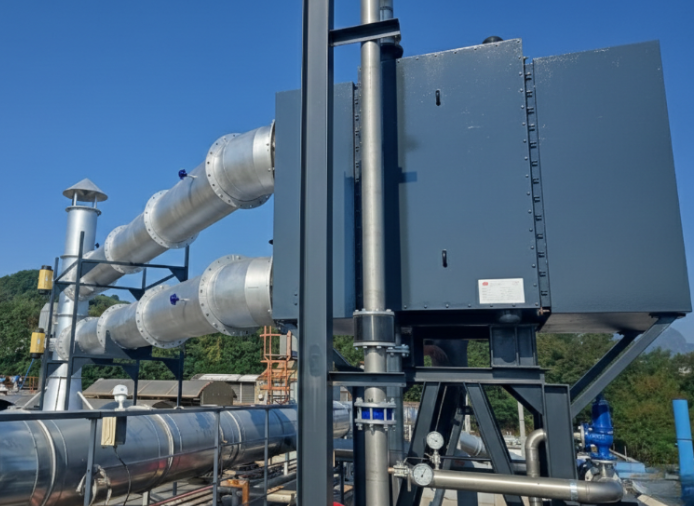
Avogadro Energy: recovering residual heat to cut costs and reduce environmental impact
Every day, industrial processes release enormous amounts of unused heat through their exhaust stacks. Flue gases at 200–400 °C rising into the atmosphere are not just an environmental problem — they represent energy that has already been paid for and then wasted. Avogadro Energy's waste heat recovery systems capture this residual heat and redirect it back into the production process or convert it into electricity, turning a thermal by-product into a source of savings and revenue.
Do you still have hot flue gases escaping through your stack? With Avogadro Energy recovery systems, you can stop dispersing energy and start monetising it.
How the System Works
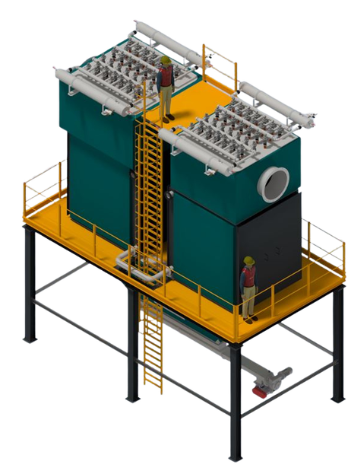
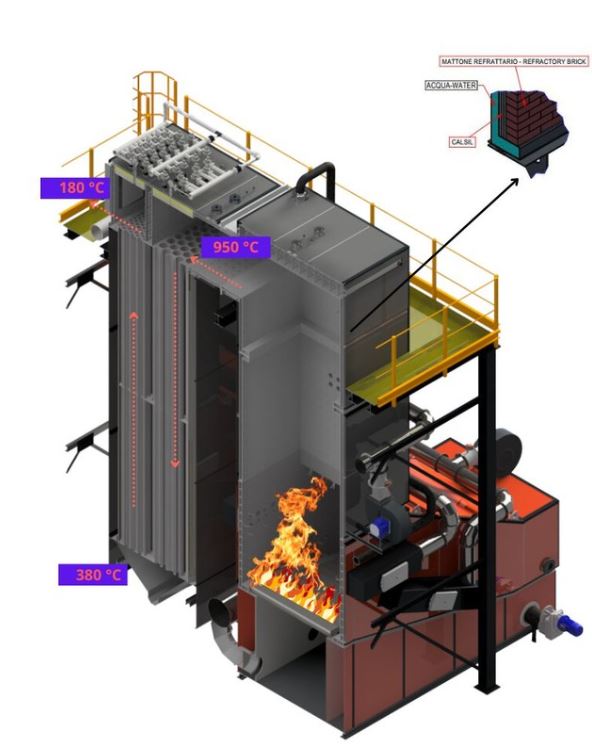
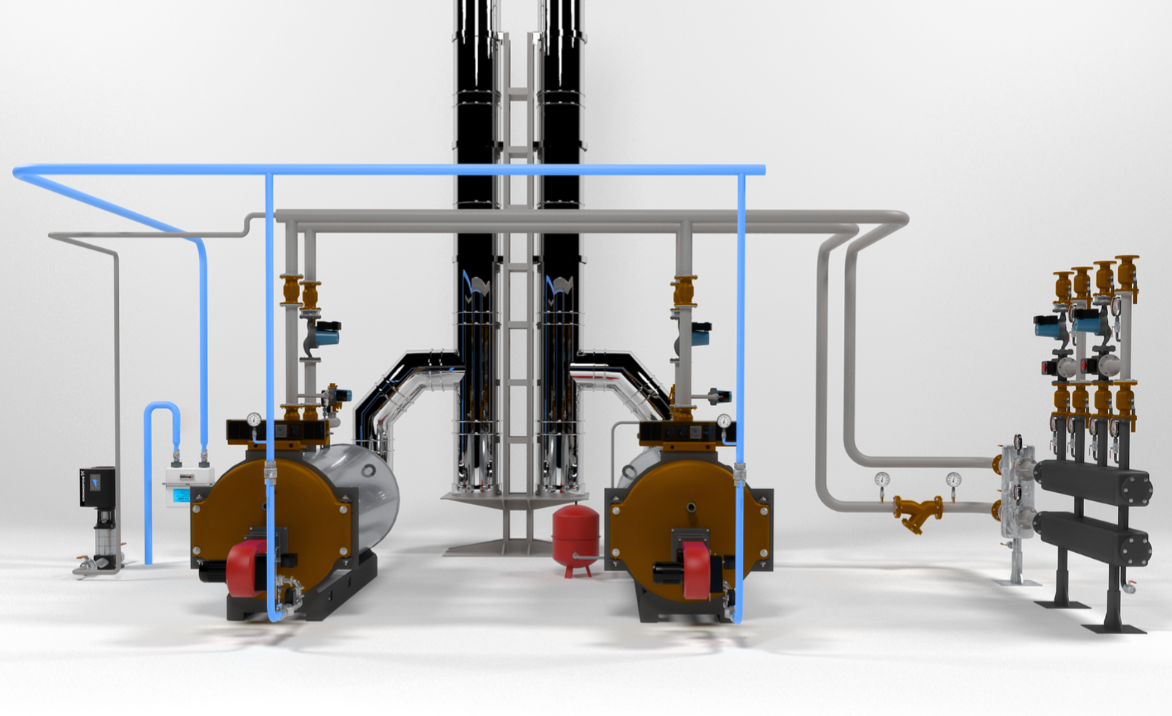
The principle is straightforward: a heat exchanger is installed on the existing flue duct and intercepts the heat still contained in the exhaust gases before they are vented to atmosphere. The recovered heat can be reintegrated into the plant's thermal cycle — heating process fluids, preheating combustion air, producing steam or hot water — or transferred to an ORC module for electricity generation.
The solution is fully modular and adapts to the flow rate and temperature of the available flue gases, with installations that require no prolonged shutdowns or major structural modifications to the existing plant.
Economic Benefits
Heat recovery translates directly into lower gas and electricity consumption, with an immediate impact on energy bills. Depending on the plant profile, the return on investment (ROI) is typically fast, further accelerated by access to dedicated incentive schemes:
- Industry 5.0 – tax credit for investments in energy efficiency and sustainability under the industrial transition plan.
- Energy Efficiency Certificates (TEE / White Certificates) – certificates issued by the GSE for certified energy savings, tradeable on the market.
Where the solution includes an electricity generation module, the power produced can be self-consumed (reducing the cost of energy purchased from the grid) or sold, creating an additional revenue stream.
Operational Benefits
Reducing the temperature of exhaust gases does more than cut energy consumption: it also reduces the thermal stress on the boiler, extending its service life and lowering the frequency of major maintenance interventions. Production processes benefit from more stable and controlled thermal conditions, with no additional energy costs.
Environmental Impact and Sustainability
Every kilowatt of heat recovered is a kilowatt that does not need to be generated by burning fossil fuel. The result is a measurable reduction in CO₂ and other greenhouse gas emissions, with tangible benefits for the company's ESG rating. In a regulatory and market environment increasingly focused on environmental reporting, turning a 300 °C exhaust stack into a symbol of innovation and environmental responsibility is a real competitive advantage — not just a communication exercise.
Fields of Application
Avogadro Energy's waste heat recovery systems are suited to all industrial settings characterised by high-temperature processes with hot gas emissions:
- Foundries and steelworks
- Ceramics and glass manufacturing
- Cement plants
- Paper and board industry
- Chemical plants and refineries
- Food industry with ovens and dryers
- Existing cogeneration plants
Conclusions
Waste heat recovery is one of the most immediate and effective solutions for improving the energy efficiency of an industrial plant. Avogadro Energy designs and builds bespoke systems, from the initial assessment of available thermal potential through to installation and commissioning, supporting clients throughout the incentive application process. If your plant still has hot gases escaping through the stack, there is energy to be recovered — and profit to be made.
Calculate your thermal recovery value
Articles: Latest updates
.jpg)
.JPG)